Landing 01 · Non-Surgical Bite Correction
Your jaw is not where it belongs.
Surgery is not the only way to move it.
You probably noticed it in photos first. The way your profile looks from the side. The clicking every morning. The headaches that come from nowhere. You mentioned it to a dentist. You were told the same thing each time. Surgery. Braces before. Braces after. General anesthesia. So you stopped asking.
There is something you were not shown.
Chapter 01 · Foundation
Why bite position affects more than aesthetics.
The position of your lower jaw governs the lower third of your face. It also governs how your teeth meet, how your muscles fire, how your joints load, and how your airway sits at rest.
When that position is off, even by a few millimeters, the consequences show in places most patients do not connect back to their bite. A profile that recedes. A chin that softens. Chronic tension across the temples. Broken sleep. Restorations that keep failing. FACE Dentistry begins by identifying the position, not the symptoms.
Chapter 02 · Classification
Class 01. Class 02. Class 03.
Class 01
The Reference
Upper and lower teeth meet in the correct relationship. The reference position, and the destination for every correction.
Class 02
Overbite · Retruded Jaw
Lower jaw sits too far behind the upper. Recessed chin. Muscle tension, headaches, joint noise. Historically referred to surgery.
Class 03
Underbite · Protruding Jaw
Lower jaw projects forward. Prominent chin profile. Impaired chewing and joint stability.
Chapter 03 · The Two Paths
What most patients are offered.
What FACE Dentistryoffers instead.
Path A · The Surgical Route
- -Referral to an oral or maxillofacial surgeon
- -Braces before surgery, often 12 to 18 months
- -Jaw surgery under general anesthesia
- -Post-surgical recovery, swelling, restricted diet
- -Braces after surgery, often another 12 months
- -Outcome cannot be previewed before commitment
Path B · FACE Dentistry
- →Analysis of bite position, jaw joint, and facial thirds
- →TMJtrac, wearable diagnostic preview of the corrected position
- →Test the position in daily life before commitment
- →Class1 VENEERS, permanent correction, additive porcelain
- →No jaw surgery · No shaving of healthy teeth
- →No orthodontic braces required
We do not advise against surgery. For a small subset of severe skeletal cases it remains the right recommendation. We believe every patient deserves to see what their bite is capable of before choosing any irreversible path.
Chapter 04 · TMJtrac
The preview
that changes everything.
TMJtrac is a custom-fabricated jaw appliance that places you in the proposed corrected position. You wear it. You eat with it. You look in the mirror with it. You understand, before anything is permanent, what the outcome will feel and look like.
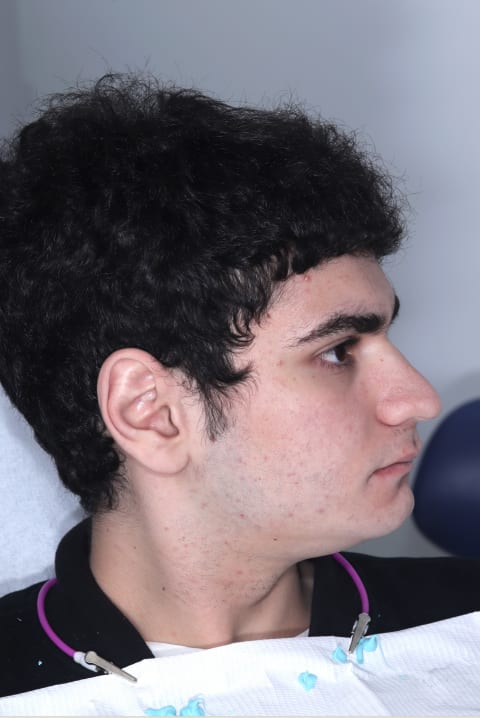
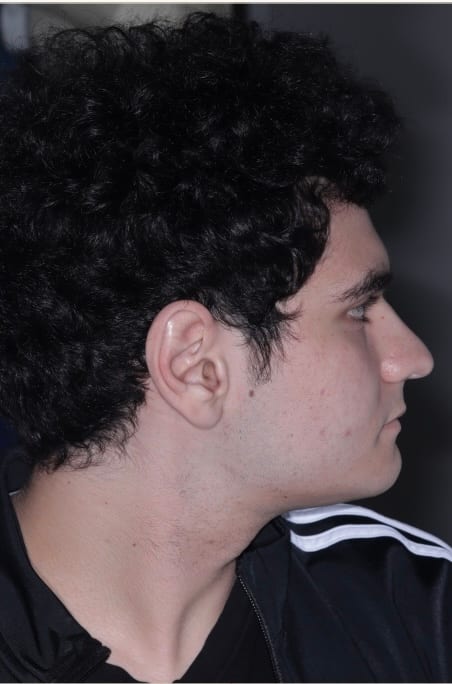
Case 01 · Class II Correction · TMJtrac + Class1 VENEERSDocumentary record · Beverly Hills
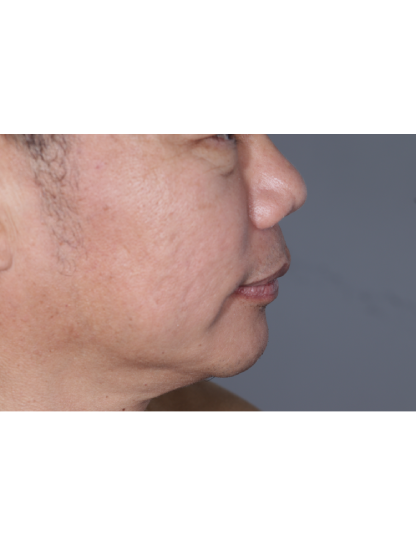
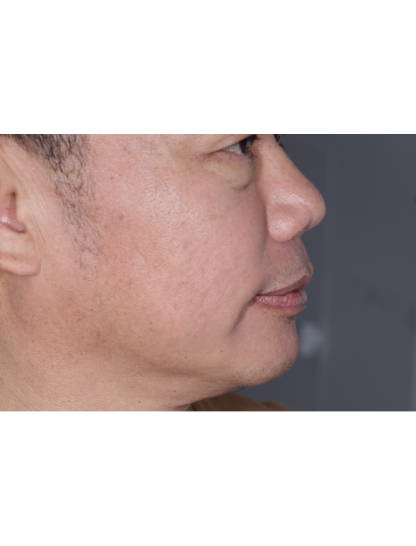
Case 03 · Class1 VENEERS · Additive RestorationDocumentary record · Beverly Hills
Chapter 05 · Class1 VENEERS
Permanent.
Additive, not subtractive.
Where traditional veneers reduce the tooth, Class1 VENEERS are designed to build outward from healthy structure. The position previewed with TMJtrac becomes the permanent architecture of your bite. No braces. No shaving of healthy teeth. No jaw surgery.
Chapter 06 · Candidacy
Is this the path for you?
- □You were told jaw surgery is your only option
- □You live with an overbite or underbite
- □You experience jaw clicking, popping, or locking
- □You have chronic headaches, neck, or shoulder tension
- □Your profile has changed as you have aged
- □You completed orthodontics but your bite still feels wrong
- □You grind, and nightguards have not helped
If any of the above sound familiar, the next step is a conversation, not a commitment.
Chapter 07 · Questions
Jaw-specific answers.
The Invitation
Before you consent to jaw surgery -
see what your bite can do.